

Sometimes it feels like you've lost yourself for a moment. You react more strongly than you'd like, small things hit you more deeply than usual, and emotions seem to come faster and linger more quickly. This often happens in the days before your period. And often, afterward, you wonder: why did everything feel so intense?
PMS mood swings are a recurring and confusing part of the cycle for many women. This isn't because you're "overly sensitive," but because your body is temporarily functioning differently.
Emotions that feel heavier than normal
During PMS, emotions can simply take on more weight. Sadness feels deeper, irritation surfaces more quickly, and situations you normally easily put into perspective suddenly seem overwhelming. This can manifest as irritability, crying spells, or a feeling of inner turmoil—say, as if everything is hitting you just a little too hard.
What makes it extra difficult is that you often rationally know you're reacting differently than usual, yet you have little control over it. That feeling of loss of control can be frustrating and even trigger feelings of guilt.
What's happening beneath the surface
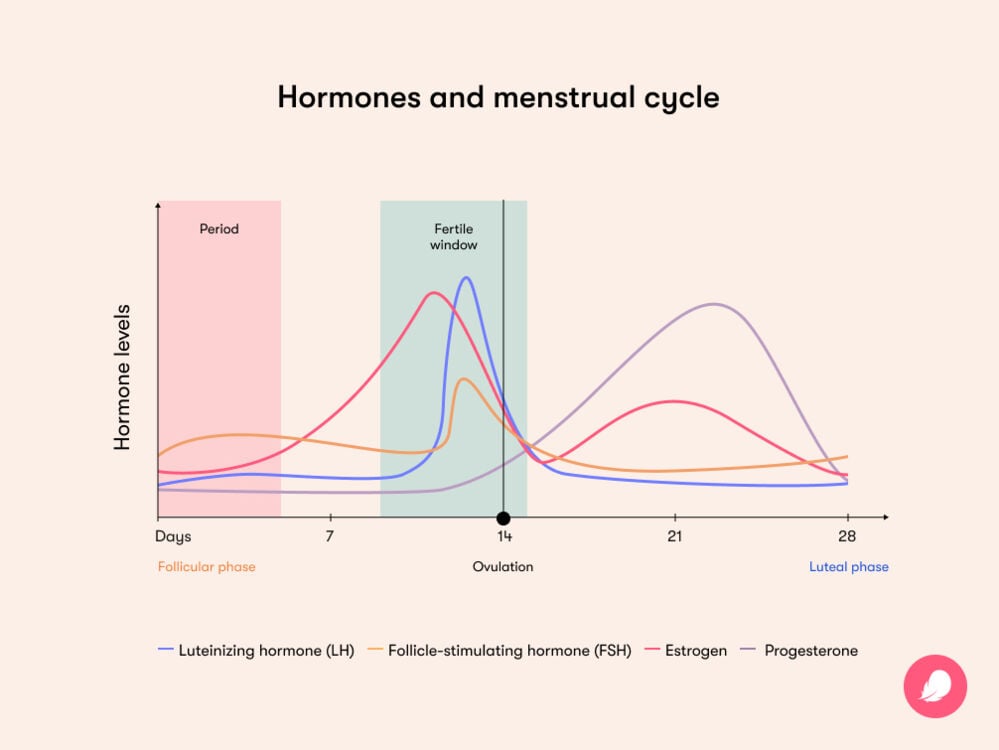
After ovulation, your body shifts to a different hormonal balance. Progesterone becomes dominant, and estrogen begins to slowly decline. This shift is essential for your cycle, but it also affects how you feel.
Estrogen plays a key role in supporting emotional stability. When this hormone decreases, stimuli are sometimes filtered less effectively. At the same time, progesterone can create a numbing or heavy feeling. This combination allows emotions to be experienced more intensely, even though there's always a clear reason for it.
The connection with your brain and mood
Hormonal fluctuations also affect serotonin, a brain chemical involved in mood, calmness, and resilience. In the days leading up to your period, serotonin activity can decrease. You'll notice this not only mentally, but often physically as well: increased tension, less patience, and a lower stress reservoir.
What would normally be a minor setback suddenly feels like too much. Your brain is simply less stable.
Why PMS mood swings are different for every woman
Not every woman experiences PMS in the same way. While some primarily feel fatigue, others experience emotional fluctuations. Factors such as stress, sleep, nutrition, and life stage play a significant role.
When you've been pushing yourself too hard for a long time or experiencing little recovery, PMS can amplify that underlying burden. Your cycle then becomes a magnifying glass for what's already happening.
The moment when everything becomes lighter again
Many women recognize this: as soon as menstruation begins, something shifts. The heaviness disappears, emotions feel more manageable, and you recognize yourself again. That's often the moment you realize that what you were feeling was cyclical and temporary.
This realization can help you to look at yourself more gently, even during the times when PMS is present.
Gentleness instead of struggle
Perhaps the most important thing with PMS mood swings is recognizing that your body is asking for something different. Not to push harder, but to slow down, rest, and understand both yourself and those around you.
By getting to know your cycle, you can better recognize this phase. Not to explain everything, but to create space. Space to allow emotions to flow without judgment.
Finally
PMS mood swings don't mean you're losing yourself. They indicate that your body is sensitive to hormonal changes. By approaching these with mindfulness and gentleness, you often feel more calm even before you try to change anything.